
We're Open!
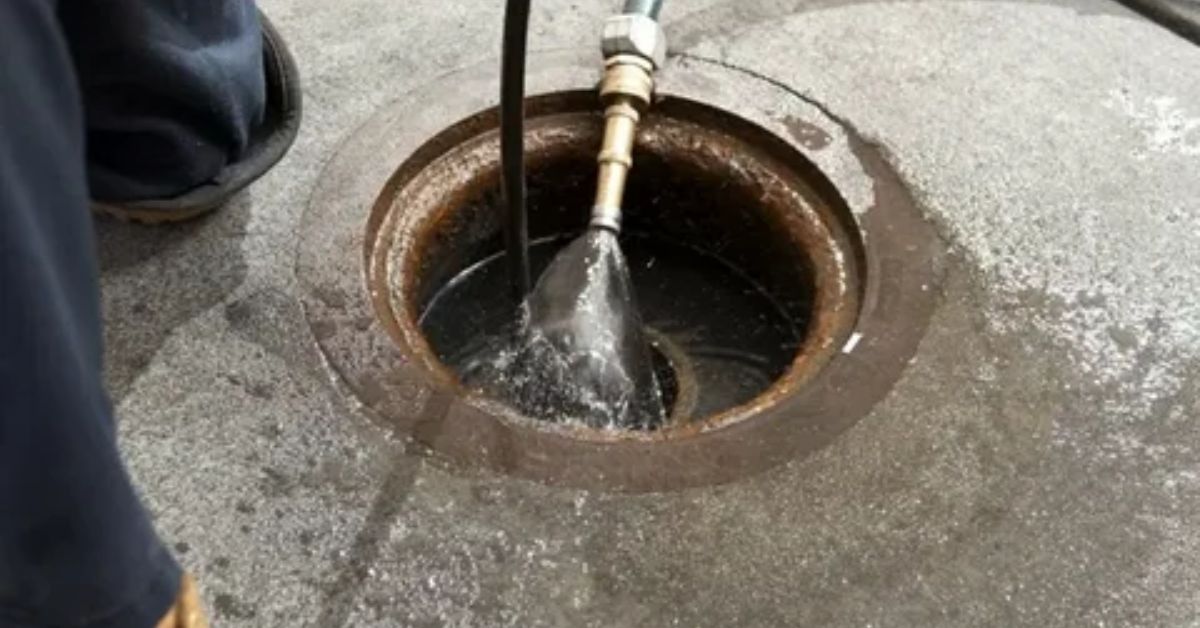
Facing a blocked drain is not just an inconvenience; it’s a disruption to your daily life that can lead to stress and unexpected expenses. Whether it’s a slow-draining sink, a clogged toilet or a backed-up sewer line, the urgency to resolve the issue efficiently brings about the critical question of cost.
Understanding the cost to clear a blocked drain in Sydney is crucial to preparing for these unforeseen plumbing emergencies and ensuring that the disruption to your routine is minimal.
The cost to clear a blocked drain in Sydney typically falls between $90 and $200, depending on the complexity and location of the blockage, the plumber’s fees, and how long it takes to fix. For urgent situations, emergency drains services may come at a premium but provide rapid response to prevent further damage and restore normal function quickly.
When it comes to clearing a blocked drain in Sydney particularly in inner-west suburbs like Haberfield, Lewisham, Leichhardt, Stanmore, and Lilyfield, the price can vary significantly based on several key factors. Homeowners and businesses alike may find themselves wondering about the potential cost, which is not a flat rate. Rather, it is a range influenced by the blockage’s severity, its location, the method of removal, the time and labor involved, and whether emergency services are required. Typically, residents can expect to spend anywhere from $90 to $200 to get their drains running smoothly again. This cost includes the plumber’s callout fee and the complexity of the job, which includes dealing with tough blockages deep within the plumbing system or those that are easily accessible. To prevent plumbing disasters, it is important to maintain regular inspections and avoid flushing inappropriate materials down the drain.
Blocked drains are an all-too-common issue that homeowners in Sydney face, with various causes behind the annoying clogs. Knowing what leads to these blockages is key to preventing them and keeping your drainage system running smoothly. The main culprits range from everyday household waste to natural causes, all of which can be managed with proper knowledge and care.
One of the leading causes of kitchen sink blockages is the accumulation of fat and oil. These substances, when poured down the drain, cool, solidify and stick to the inside of pipes, creating stubborn clogs that are hard to clear. Preventing this issue is as simple as disposing of grease and oil in the trash rather than the sink. This saves you from potential blockages and costly repairs.
Bathrooms often face blockages due to hair accumulation. Hair strands can bind with soap scum and other debris, forming a net that traps more waste over time. Regularly cleaning drain stoppers and considering drain guards can significantly reduce the occurrence of these blockages and keep your bathroom drains flowing freely.
Foreign objects such as wipes, sanitary products, and large food particles should never find their way down your drains. These items are not designed to break down in water, leading to immediate blockages that are often challenging to remove without professional help. The effect of a blocked drain can be far-reaching, causing unpleasant odors, slow drainage, and even potential flooding if left untreated. It is essential to be mindful of what goes down the drain to prevent costly repairs and long-term damage to your plumbing system.
Another less obvious cause of blocked drains is tree roots. Tiny cracks or leaks in sewer lines can attract tree roots seeking moisture. Over time, these roots can grow large enough to completely block the pipe, which requires professional intervention to clear and repair the damage.
Knowing the types of blockage is essential in selecting the most effective and economical method of removal. Each type presents its own set of challenges and solutions.
When facing the inconvenience of a blocked drain in Sydney, understanding the potential cost involved in clearing it is crucial. Various factors play into the final price, from the nature of the blockage itself to the specifics of the intervention required.
Here’s a deeper look into the factors that contribute to the cost of clearing a blocked drain, ensuring you’re better prepared when seeking professional plumbing services.
The severity of the blockage is a primary factor affecting cost. Simple blockages, such as those near the drain’s surface, can often be resolved quickly and with minimal effort. However, severe blockages, particularly those that have been building up over time or are composed of tough materials, demand more sophisticated solutions.
For instance, if the blockage has led to pipe damage or requires the removal of obstructions deep within the plumbing system, the cost will reflect the complexity of the job. Specialized equipment like CCTV drain cameras or hydro-jet cleaners may also be necessary to accurately diagnose and resolve the issue, further influencing the cost.
The location of the blockage significantly impacts the effort and resources needed to address it, thereby affecting the cost. Blockages located in easy-to-access areas, such as under the sink, are typically less expensive to clear. In contrast, blockages in underground pipes, within walls or under the property can be more challenging and costly to manage. These situations may require excavation, removal and replacement of sections of pipe, or other labor-intensive methods to access and clear the blockage.
Additionally, if the property’s layout complicates access to the affected area, this can increase the time and labour required, driving up the cost.
Different types of blockages require different solutions, from simple manual efforts to advanced technological interventions. Chemical treatments might offer a cost-effective solution for dissolving organic material or grease but may not be suitable for all types of blockages, especially those involving foreign objects or extensive root intrusion.
On the other hand, mechanical methods like snaking or hydro-jetting, although more costly, provide a comprehensive clean and can be more effective in the long run, particularly for severe or recurrent blockages. The chosen method must balance effectiveness with cost, ensuring the blockage is cleared without unnecessary expense.
The time and labor involved in clearing a blockage directly affect the cost. Simple blockages might be resolved in a short visit, while more complex situations could require several hours or even multiple visits.
The expertise of the professionals involved also factors into the cost. Specialized plumbers or technicians may charge more for their services but offer the skills and experience necessary to effectively resolve the issue. Additionally, if the work requires a team of professionals, as opposed to a single plumber, this will naturally increase the labor costs involved.
Clearing a blocked drain might seem daunting, but with the right approach, many common blockages can be managed effectively.
While the inconvenience of a blocked drain in Sydney can catch any homeowner off guard, understanding the factors that influence the cost to clear a blocked drain is essential for effective planning and management. The severity and location of the blockage, along with the chosen method of removal, the time and labor required, and the need for emergency services, all play crucial roles in determining the overall cost.
With this knowledge, you can make informed decisions, ensuring that when faced with this common plumbing issue, you can address it promptly and efficiently. This minimizes disruption and avoids unnecessary stress.


