
We're Open!
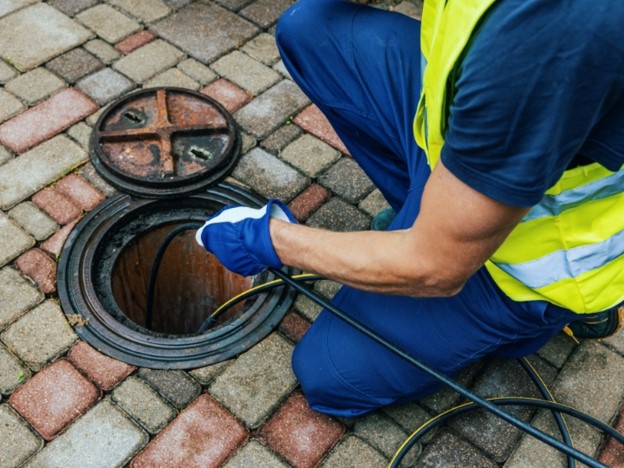
If you own an older Sydney terrace, there’s a good chance your underground sewer pipes are made from either clay or terracotta.
While it’s true that these pipes can last for decades, old joints, tree root intrusions and ground movement will eventually cause cracks, leaks and recurring blockages that may cause further damage down the line.
In this guide, we’ll cover what Sydney locals need to know about older clay sewer pipes, including how to identify the signs of damage and when pipe relining may be the better option.
Clay and terracotta sewer pipes are both made from natural clay that’s shaped and fired at high temperatures to create a hard, durable drainage material. You may also hear them described as vitrified clay, earthenware or salt-glazed clay pipes. These terms generally refer to related types of fired-clay drainage materials.
They were widely used in Australian residential drainage before PVC and other plastic pipe materials became more common.
These pipes were installed in a lot of Sydney’s inner suburbs, especially places like Redfern or Surry Hills that have a large amount of terraces.
When analysed with a CCTV drain inspection, terracotta pipes typically appear reddish-brown or orange, with individual pipe sections connected by joints at regular intervals.
The material itself isn’t necessarily the problem. Properly manufactured clay pipes can be extremely durable and resistant to many forms of chemical corrosion. The weakness is usually found at the joints.
Unlike modern PVC drainage which uses longer sections and sealed connections, older clay systems have multiple joints where soil movement, root intrusion and deterioration create openings over time.
Clay and terracotta drainage remained common in Australian residential construction throughout much of the 20th century.
Although there is no specific period when these pipes were phased out, PVC pipes began entering the Australian market during the 1960s.
By the late 1970s and into the 1980s, PVC was replacing traditional clay and earthenware drainage in new building projects.
Here’s a general guide about which sewer pipes are most common in each era:
The only reliable way to identify the material and condition, of course, is through a CCTV drain inspection.
On average, clay sewer pipes can last between 50 to 60 years, while some installations last considerably longer when they’re properly installed and protected from excessive ground movement.
However, that doesn’t mean every clay pipe will last that long. Sydney terraces notoriously present several challenges for older underground drainage systems.
Many properties have mature trees, narrow side access, shared boundaries, ageing foundations and limited space for excavation. Over time, these conditions can place additional pressure on original drainage.
Some common factors that shorten the working life of clay pipes include:
Tree roots are one of the most common causes of problems in older clay sewer lines. Roots naturally seek moisture, and even a small opening around a deteriorating pipe joint can provide access.
Once inside, roots continue growing and can catch toilet paper, waste and other debris moving through the drain. This often results in a recurring blockage that returns after every clearing.
Older terraces have experienced decades of changes to surrounding ground conditions. Excavations, nearby construction, building extensions and changes to surface drainage can all contribute to movement around underground pipes.
Because clay is rigid rather than flexible, it doesn’t accommodate movement particularly well. Individual sections can shift out of alignment, leaving gaps where wastewater escapes and roots enter.
Although clay is durable, it can become vulnerable to cracking when exposed to repeated pressure or movement.
Vehicle loads, building work, unstable ground and root pressure can all contribute to structural damage.
A small crack may initially have little effect on drainage, but it can gradually become a larger opening or develop into a partially collapsed section.
Underground drainage problems aren’t always obvious at first. However, there are several warning signs worth paying attention to, particularly if your terrace still has its original plumbing.
If the same toilet, shower or main sewer line keeps blocking after professional clearing, there may be a structural issue inside the pipe.
Tree roots, cracked joints and displaced sections can create repeated collection points for waste.
Clearing the blockage may restore normal flow temporarily, but it won’t repair the damaged pipe.
Gurgling sounds from toilets, showers and floor wastes can indicate restricted wastewater flow.
If several fixtures are affected together, the issue may sit further down the drainage system rather than within an individual fixture.
A CCTV inspection will help identify whether roots, debris or damaged clay pipework are responsible.
Unpleasant sewer smells near outdoor drains, inspection openings or garden areas may indicate a drainage issue.
A damaged pipe can allow wastewater and sewer gases to escape into surrounding soil.
However, odours can also come from dry traps or ventilation problems, so the smell alone doesn’t confirm a broken sewer line.
Older Sydney terraces often have narrow outdoor areas, paved courtyards and small gardens.
If you notice persistent dampness, soft ground or unusually green patches along the likely route of the sewer line, a leaking pipe could be responsible.
It’s worth investigating before escaping wastewater causes further soil movement or damage.
When a toilet flush causes water to bubble or rise through a shower drain, it can indicate a restriction in a shared drainage section.
This is more concerning than an isolated slow basin because it suggests wastewater isn’t travelling freely through the main line.
If it happens repeatedly, the underlying cause should be identified rather than continually clearing the symptoms.
Yes. In many situations, older clay and terracotta sewer pipes can be relined. Rather than excavating the entire drainage line and replacing every section, relining involves installing a resin-impregnated liner inside the existing pipe.
The liner is positioned within the damaged section and inflated against the internal pipe walls. Once cured, it forms a hard, continuous lining that creates a new internal drainage surface.
This can seal cracks, cover damaged joints and prevent tree roots from entering through previously compromised sections.
One of the biggest advantages is that pipe relining in Sydney can often be completed without digging up courtyards, gardens, paved pathways or other established areas.
However, not every damaged clay pipe can be relined. The existing pipe needs to retain enough structural integrity and internal space for the liner to be installed correctly.
Relining is suitable when:
If the pipe has completely collapsed, dropped significantly or lost too much of its original shape, excavation and replacement may be necessary.

Excavating sewer pipes beneath an older terrace isn’t always straightforward. Some properties have limited access between buildings, established landscaping, concrete courtyards or drainage running underneath extensions and other structures.
Traditional excavation involves removing paving, disturbing gardens and potentially working around existing building foundations.
Pipe relining has many benefits that include:
These benefits are particularly valuable to older terrace properties where preserving the existing outdoor space can make a significant difference.
Many of Sydney’s established suburbs have older homes with ageing clay and terracotta sewer pipes. In areas with narrow access, mature gardens and established paving, excavation isn’t always the easiest repair option.
At Emergency Drains, we provide pipe relining everywhere from Paddington to Bondi, Five Dock, Mosman, Annandale and Vaucluse.
Our CCTV inspections will help determine whether relining or replacement is the right solution, depending on the condition of your existing pipes.

At Emergency Drains, we’ve spent years tackling the challenges of maintaining drainage systems in Sydney.
It doesn’t matter if we’re dealing with recurring blockages, damaged terracotta pipes or considering pipe relining, our team will always go the extra mile and make sure the issue is resolved.
Contact Emergency Drains today on 1300 524 474 or email info@emergencydrains.com.au to arrange a drain inspection and find out whether pipe relining or replacement is the right solution for your property.


